
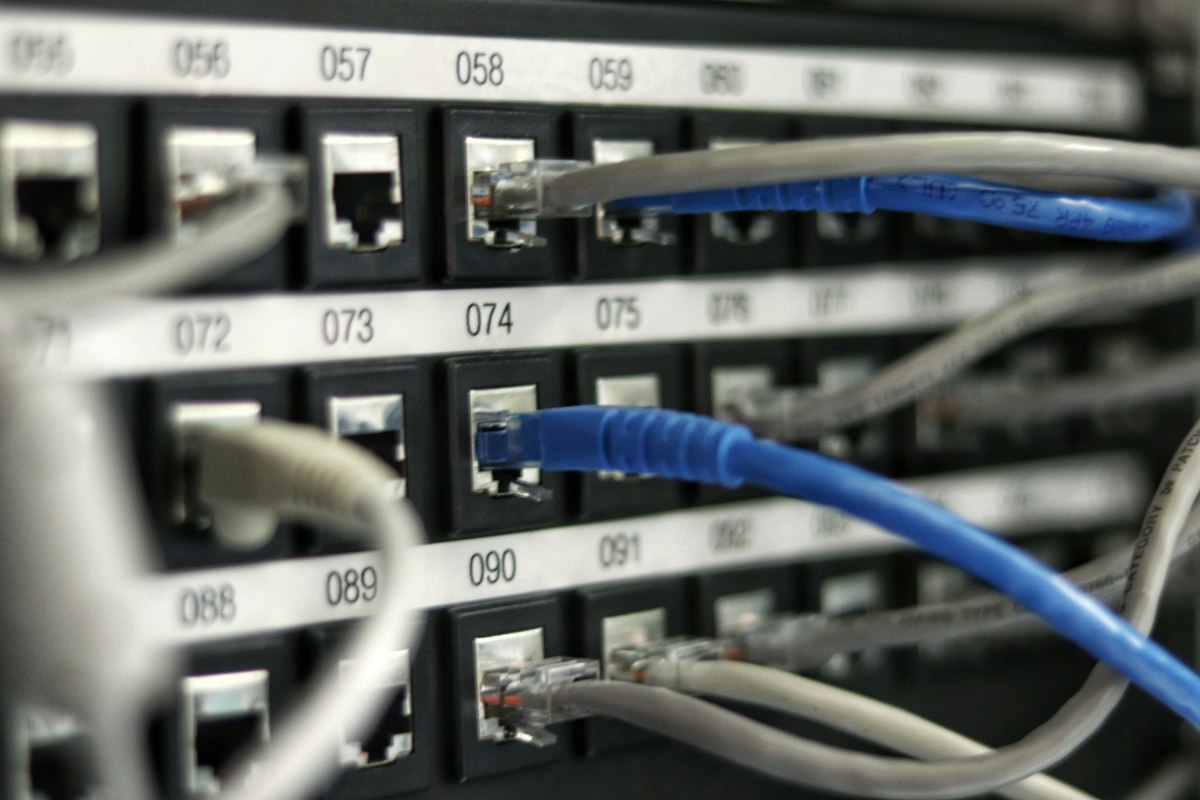
Deploying BGP Anycast across regional bare-metal colocation facilities enables enterprises to announce a single /24 IPv4 prefix globally. By terminating end-user traffic on low-cost bare-metal edge nodes ($0.001/GB bandwidth) and backhauling requests over private Layer 2 interconnects directly to cloud origin servers via AWS Direct Connect or Azure ExpressRoute ($0.02/GB egress), engineering teams slash outbound hyperscaler internet egress taxes by up to 88%.
The Hyperscaler Egress Monopoly: The $0.09/GB Data Tax
Public cloud providers operate an asymmetrical billing model designed to penalize multi-cloud architectures. While ingress data transfer is universally free ($0.00/GB), egress data leaving hyperscaler availability zones to the public internet is billed at punitive rates ranging from $0.08 to $0.12 per gigabyte. For high-volume SaaS applications, streaming services, and API gateways transferring 200 terabytes monthly, public internet egress charges routinely exceed $16,000 per month—eclipsing the underlying virtual compute cost.
The solution lies in private interconnect arbitrage. Cloud providers price private interconnect egress (AWS Direct Connect, Google Cloud Interconnect) at a fraction of public internet rates—often between $0.020 and $0.025 per GB. By pairing a private 10Gbps cross-connect with a carrier-neutral colocation facility running BGP Anycast edge proxies, enterprises strip hyperscalers of their high-margin internet transit fees.
| Monthly Egress Volume | Standard AWS Internet Egress | BGP Anycast Edge + Direct Connect | Monthly FinOps Savings |
|---|---|---|---|
| 50 Terabytes / Month | $4,250 / mo | $1,450 / mo | $2,800 / mo (66% Saved) |
| 150 Terabytes / Month | $12,450 / mo | $3,450 / mo | $9,000 / mo (72% Saved) |
| 500 Terabytes / Month | $38,000 / mo | $9,200 / mo | $28,800 / mo (76% Saved) |
| 1 Petabyte / Month | $72,000 / mo | $16,800 / mo | $55,200 / mo (77% Saved) |
BGP Anycast Routing Mechanics and Failover Topology
To implement an Anycast edge, an organization obtains an Autonomous System Number (ASN) and announces an owned /24 IPv4 subnet through upstream Tier-1 transit providers (such as Telia, Lumen, or Hurricane Electric) located in primary geographical edge regions (e.g., Ashburn, Frankfurt, and Tokyo). When an end user queries your domain, global BGP routing automatically directs their packets to the closest physical point of presence (PoP).
The bare-metal PoP runs high-performance reverse proxies (such as Envoy or NGINX) that terminate TLS sessions locally, serve cached content from NVMe storage, and proxy uncached API requests across the private Direct Connect link. If an edge PoP experiences an outage, BGP route withdrawals instantly redirect incoming internet traffic to the next closest healthy facility without DNS propagation delays.
BGP Communities and Traffic Engineering Across Global Edge PoPs
Operating a sovereign BGP Anycast network requires precise traffic engineering to prevent sub-optimal internet routing. Because standard BGP routing protocols select paths based strictly on Autonomous System (AS) path length rather than physical fiber latency, internet traffic can inadvertently traverse sub-optimal routes—such as a London user being routed to a New York Anycast edge node because the transatlantic transit provider announced a shorter AS-path.
Infrastructure engineers resolve this through granular BGP Communities and AS-path prepending. By configuring routing daemons (such as BIRD or FRRouting) to attach specific BGP community tags to upstream transit providers (Lumen, Telia, NTT), engineers dynamically lower the local preference of distant PoPs. This forces global transit providers to localize traffic within regional boundaries, ensuring European users terminate strictly at Frankfurt or Amsterdam nodes while North American traffic lands in Ashburn or San Jose.
DDoS Mitigation and Stateful Session Resilience at the Anycast Edge
One of the primary operational advantages of an Anycast edge architecture is natural distributed Denial of Service (DDoS) mitigation. When a volumetric DDoS attack targeting your public IP address strikes, the Anycast routing fabric automatically distributes the malicious traffic across all global Points of Presence (PoPs), diluting a 500 Gbps attack into manageable 50 Gbps streams absorbed locally by regional edge scrubbers.
To maintain stateful TCP sessions without dropped connections during sudden BGP route shifts, enterprise Anycast architectures deploy Maglev-style consistent hashing load balancers (such as Katran or DPDK-accelerated Envoy). By hashing incoming 5-tuple packet flows (source IP, source port, destination IP, destination port, protocol) consistently across backend bare-metal proxy pools, connections persist seamlessly even during upstream ISP fiber route flaps.
Carrier-Neutral Colocation Cross-Connect Arbitrage
When engineering an enterprise Anycast multi-cloud transit architecture, the choice of physical datacenter facility is paramount. Facilities operated by carrier-neutral providers (such as Equinix, Digital Realty, or CoreSite) provide access to high-density meet-me-rooms where enterprises can cross-connect directly to hundreds of global transit providers and cloud on-ramps.
By negotiating direct peering agreements at regional Internet Exchange Points (IXPs)—such as DE-CIX in Frankfurt, LINX in London, and Equinix Ashburn—enterprises exchange vast volumes of customer traffic settlement-free with major residential broadband ISPs (Comcast, Verizon, Deutsche Telekom). This cuts transit costs by an additional 40%, ensuring that only non-peered routes traverse paid Tier-1 IP transit links.
Bandwidth egress is the single greatest margin killer in enterprise cloud infrastructure. Deploying BGP Anycast edge routing decouples user-facing bandwidth costs from hyperscaler price gouging, providing sub-millisecond edge termination while returning tens of thousands of dollars monthly straight to operating cash flow.
Frequently Asked Questions About BGP Anycast Egress Optimization
What is the minimum IP block required to announce BGP Anycast?
The global internet routing table requires a minimum allocation of a /24 prefix (256 addresses) for IPv4, or a /48 prefix for IPv6. Any smaller subnets are automatically filtered out by upstream transit tier-1 ISP routers.
Does BGP route flapping disrupt active TCP connections?
Yes, if an upstream ISP changes its preferred AS-path mid-session, TCP packets can land on a different Anycast node. To mitigate this, edge architectures employ BGP community dampening and equal-cost multi-path (ECMP) consistent hashing on front-end load balancers.
What is the payback period of setting up an Anycast colocation edge?
For companies transferring over 100TB per month, the $3,000/month cost of colocation space and private cross-connects is paid back within the first 30 days due to eliminating over $8,000/month in hyperscaler bandwidth surcharges.
For deeper forensic systems engineering analysis, read our technical breakdown on Cilium eBPF Service Mesh: Eliminating Sidecar Proxy Tax.